Review: Floral Butterfly Tattoo Style Design SVG for Embroidery
As a designer who spends more time at the hoop than away from it, I approach every new digital embroidery file with a mix of excitement and skepticism. We have all downloaded a beautiful graphic only to find it turns into a bird's nest of thread once the machine starts running. That is why I took a close look at the Floral Butterfly Tattoo Style Design SVG. This isn't just about whether the image looks good on a screen; it is about how it translates into a tangible, stitched handmade product that a customer will want to wear or display.
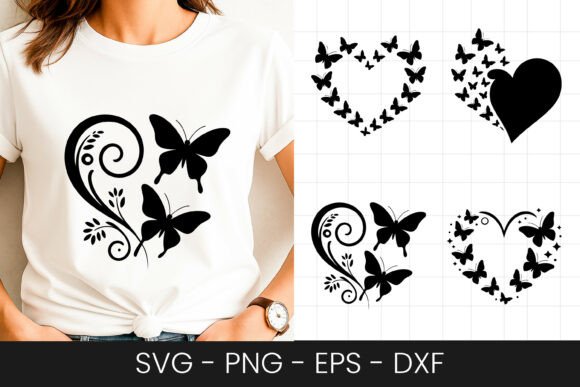
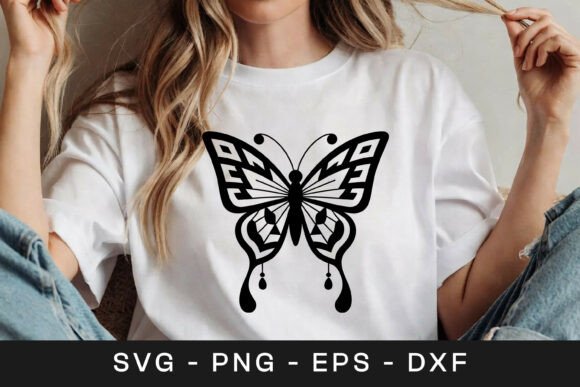
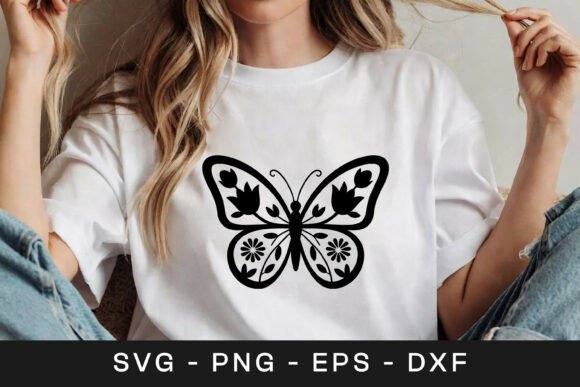
The first thing that strikes me about this design is its mood. The "tattoo style" descriptor usually implies bold lines, high contrast, and a certain edgy elegance, and this graphic delivers on that promise. The fusion of floral elements with the butterfly motif creates a visual personality that feels both organic and structured. For an embroidery project, this layout suggests a strong potential for clean satin stitches outlining the wings, balanced by denser fill stitches in the floral clusters. It avoids the trap of being too wispy, which often gets lost in fabric texture, and instead offers a solid foundation for stitching.
Real-World Application: The Custom Tote Bag Test
To truly evaluate the Floral Butterfly Tattoo Style Design SVG, I imagined a specific real-life scenario: creating a custom tote bag for a boutique client who sells organic skincare. They needed something that looked artisanal but professional—nothing too childish or overly ornate. This design fits that brief perfectly. When visualized on a canvas tote, the bold lines of the tattoo style would stand out beautifully against the natural weave of the fabric.
In this context, the design acts as a centerpiece. Unlike intricate lace patterns that require perfect tension, this graphic has enough weight to handle the slight irregularities of a home-sewn or small-batch tote bag design. If I were stitching this, I would lean into the contrast. Using a deep charcoal or navy thread on a cream canvas would mimic the ink-on-skin aesthetic of a real tattoo, elevating the perceived value of the item. It transforms a simple grocery carrier into a statement piece, which is exactly what an Etsy seller or small shop owner needs to justify a higher price point.
Versatility Across Apparel and Home Decor
Beyond tote bags, the versatility of this graphic extends well into custom apparel. I can easily see this working as a chest pocket detail on a denim jacket or centered on the back of a heavyweight sweatshirt. For sweatshirt embroidery, the density of the floral sections would provide nice texture without becoming too stiff, provided the stitch count is managed correctly. The butterfly shape is universally appealing, making it suitable for everything from baby embroidery on a onesie (scaled down appropriately) to adult fashion statements.
For those interested in home decor, this design shines on pillow covers or tea towels. The symmetry often found in tattoo-style art lends itself well to the square or rectangular constraints of a standard embroidery hoop. However, one must be mindful of the fabric texture. On a plush terrycloth towel, the fine details of the floral petals might get swallowed up unless the digitization includes sufficient underlay or slightly thicker running stitches to define the edges.
Technical Considerations for the Stitcher
While the visual appeal is high, practical execution requires attention to detail. When working with a machine embroidery design derived from an SVG, the transition from vector to stitch is critical. If you are digitizing this yourself or having it done, pay close attention to the stitch density. Tattoo styles often rely on solid black areas; in embroidery, filling these entirely with satin or fill stitches can create a hard, plastic-like feel on the garment. It is often better to use a lighter fill pattern or strategic spacing to maintain the drape of the fabric, especially on stretchy materials like t-shirts.
There are specific scenarios where caution is advised. If you plan to use this on a curved surface like a cap, the width of the butterfly wings might be too broad for the front panel without distortion. Similarly, if the design includes very fine, hairline details in the floral sections, these could vanish on textured fabrics like fleece or corduroy. Always test the design on scrap fabric that matches your final material. Check how the thread colors interact; a monochromatic scheme works best for the tattoo look, but introducing a single pop of color in the flower centers could add a unique twist for a spring collection.
Stabilizer choice is another non-negotiable factor. Given the likely density of the floral elements, a cut-away stabilizer is probably safer than tear-away, especially for items that will undergo frequent washing. This ensures the finished product maintains its shape and the stitches don't pucker over time. For dark fabrics, remember that the SVG might need to be mirrored or adjusted if there are any text elements, though this specific graphic appears to be purely illustrative.
Commercial Viability and Brand Consistency
For the craft business owner, consistency is key to building trust. The Floral Butterfly Tattoo Style Design SVG offers a cohesive look that can become part of a brand's signature style. Whether used on an embroidered patch for a hat or directly stitched onto a hoodie, the recognizable silhouette helps with brand recognition. Customers appreciate professionalism, and a clean, well-executed design signals quality.
However, before listing items on Etsy or at a craft fair, you must verify the licensing terms associated with the file. Just because a file is available as an SVG or PNG does not automatically grant commercial rights. Ensure you have the clearance to sell physical goods featuring this design. Additionally, since the source mentions compatibility with cutting machines, remember that for embroidery, you need a proper embroidery file format (like PES, DST, or EXP). Do not attempt to feed a raw SVG directly into an embroidery machine without proper digitization software, as the result will likely be poor.
Ultimately, this design represents a strong asset for creative entrepreneurs. It bridges the gap between trendy digital aesthetics and traditional needlework. By respecting the technical limitations of embroidery and choosing the right applications—such as sturdy tote bags, structured patches, or heavy cotton apparel—you can turn this graphic into a best-selling item. It is a reminder that great embroidery isn't just about the machine; it's about the designer's ability to foresee how a digital concept will live and breathe in the real world.